
Revenue Intelligence
Source Tags Don’t Book Patients: Outcome‑Linked Attribution in the ReplyOS System
Clicks don’t convert. Conversations do. Tie every source to a tracked booking path with the ReplyOS pipeline and see where revenue actually comes from — and where it leaks.
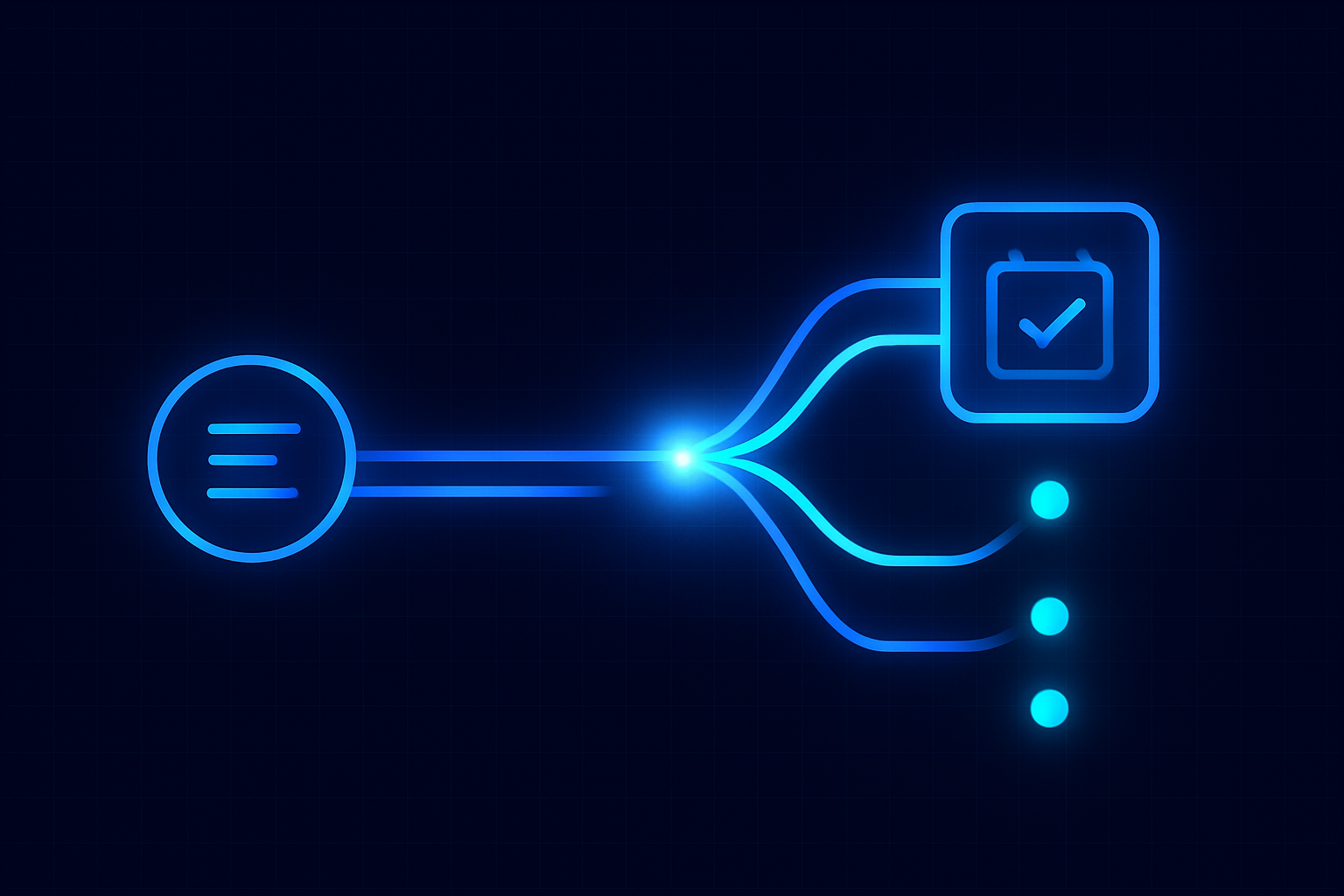
Most attribution stops at the click. That’s a blind spot. Replies happen in WhatsApp, SMS, web chat, and email — not inside your ad platform. If you can’t see those conversations move toward a confirmed slot, you can’t trust the story your spend is telling.
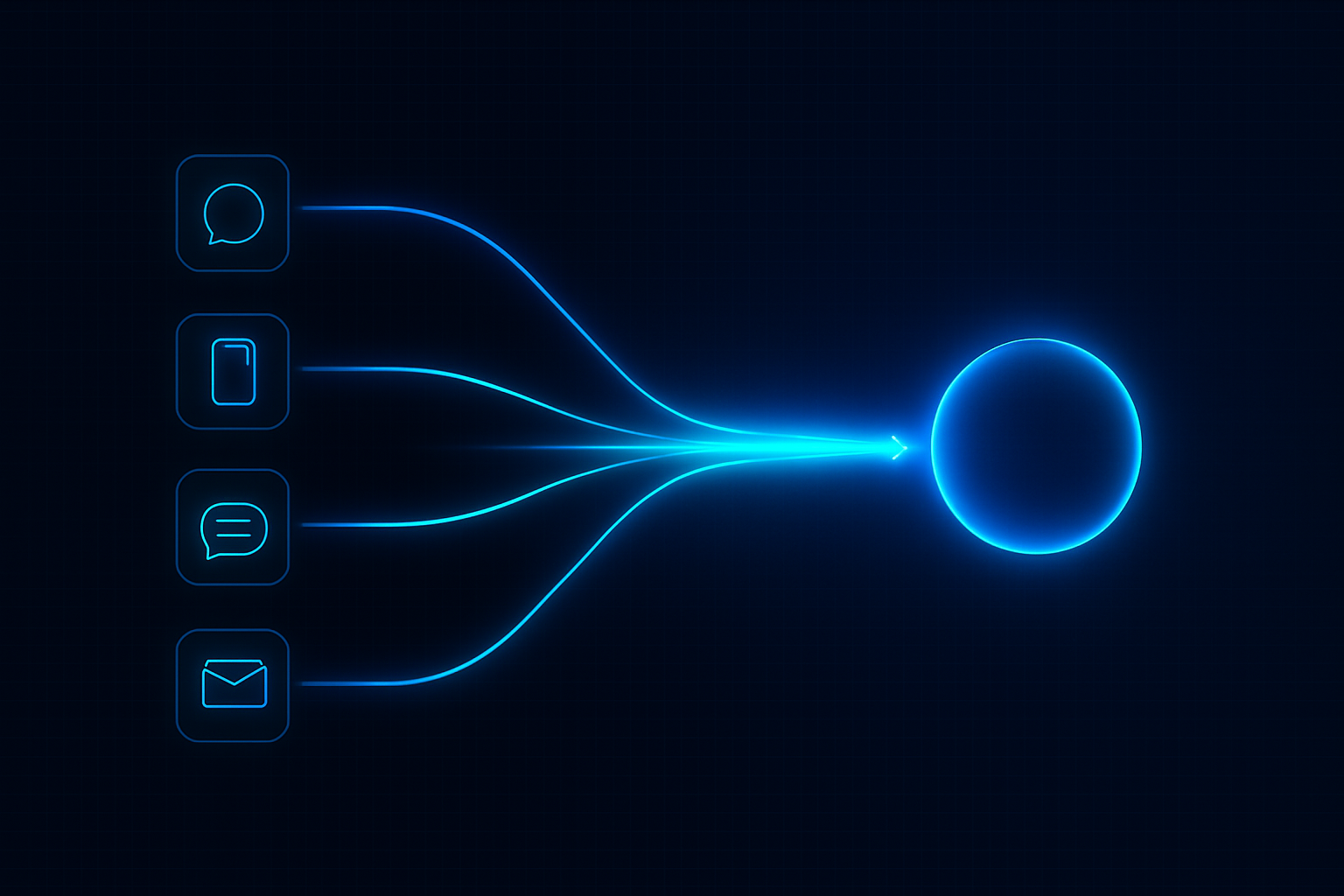
ReplyOS is designed to capture inbound enquiries across all four channels, detect intent, route to the right owner, and track progress to booking confirmation and downstream outcomes. The result: conversion visibility you can operate, not just admire.
ReplyOS operating model
System chain: Detect → Calculate → Guide → Confirm
Each stage is a system hand-off in the ReplyOS pipeline, from first signal to confirmed booking action.
Detect
Capture enquiries across WhatsApp, SMS, web chat, and email; surface intent from message cues.
Calculate
Assess value and urgency so routing and follow‑up align with capacity and revenue impact.
Guide
Route to the right owner with operational handoff support and draft‑first controls where needed.
Confirm
Track to a booked outcome and record downstream signals for Treatment Recovery and Reputation Shield (plan dependent).
Detect → Calculate → Guide → Confirm
ReplyOS pipeline
ReplyOS turns signals into revenue. It captures inbound messages across WhatsApp, SMS, web chat, and email into one place. Then it moves each enquiry through a controlled path you can run every day.
- Signals: enquiries arrive across channels; intent is detected from conversation cues.
- Processing: threads are routed to the right owner with operational handoff support.
- Conversion: progress is tracked toward booking confirmation and downstream outcomes.
- Revenue: conversion and pipeline stages are visible so leakage points are easier to spot.
This isn’t another inbox. It’s revenue infrastructure for enquiry‑to‑booking workflows. The ReplyOS pipeline gives teams operational control over routing, follow‑up timing, and confirmation discipline. You see what actually converts, not just what clicked.
Pipeline stage
Capture
Signal captured
WhatsApp, SMS, web chat, email enquiry
What you can see in ReplyOS
Unified intake with source context attached to the conversation
Pipeline stage
Intent
Signal captured
High‑intent questions and booking cues
What you can see in ReplyOS
Structured status that reflects readiness to schedule
Pipeline stage
Routing
Signal captured
Owner assignment and handoff
What you can see in ReplyOS
Operational visibility on who replies and when
Pipeline stage
Progress
Signal captured
Follow‑up cadence and thread state
What you can see in ReplyOS
Where a conversation stalls or advances
Pipeline stage
Confirmation
Signal captured
Booked outcome recorded
What you can see in ReplyOS
Which sources and replies lead to confirmed slots
Pipeline stage
Downstream
Signal captured
Treatment plan and post‑treatment follow‑up
What you can see in ReplyOS
Revenue signals from Treatment Recovery and Reputation Shield (plan dependent)
The attribution blind spot: clicks, phones, and wasted enquiries
Attribution breaks when it stops at the ad click or phone tap. That’s the blind spot. Real decisions happen in conversations. If your current approach counts impressions and calls it a day, you’ll misread performance and keep funding wasted enquiries.
With ReplyOS, source context follows the thread. You see how a Facebook ad lead behaves on WhatsApp, how a web chat converts after an email follow‑up, and where response delay derails intent. Revenue leakage stops hiding because every stage is visible, from first message to confirmed slot.
Clicks don’t tell you who booked. Conversations do. Tie sources to outcomes or you’re flying on noise.
Operational impact: route intent and hold the handoff
Attribution should change how the front desk runs the day. With the ReplyOS pipeline, owners see which threads matter now, who has the ball, and what must happen to reach “confirmed.” That’s how you prevent revenue leakage at the handoff.
Operational control is simple:
- Capture is automatic across channels.
- Routing is explicit, with clear ownership.
- Follow‑up cadence is visible; delays are obvious.
- Confirmation is recorded, not assumed.
The outcome: fewer stalls, faster replies, and conversion visibility you can act on. Modelled example: a practice reviews stalled threads weekly to improve follow‑up reliability. Small changes in cadence can shift more enquiries into confirmed bookings without extra ad spend.
Outcome‑linked or it doesn’t count
Clicks are not conversions. If attribution doesn’t end at a recorded confirmation, you’re measuring noise and funding the wrong channels.
Illustrative model: from first ping to confirmed booking
Illustrative model: A prospective patient taps an ad on Sunday night and messages via WhatsApp. ReplyOS captures the thread with source context. Monday morning, the front desk runs a triage pass before the first clinical slot. High‑intent threads are routed immediately; lower‑intent get a helpful follow‑up.
Illustrative example: Reducing first‑reply delay by even a few minutes can nudge more conversations into the booking stage. With structured statuses, the team sees which threads are near confirmation and closes them with a simple final check.
Estimated scenario: Standardising a two‑touch follow‑up across SMS and email reduces avoidable drop‑off. You’re not adding headcount; you’re removing ambiguity.
Treatment Recovery surfaces unbooked treatment plans for follow‑up (available on higher plans). Reputation Shield runs post‑treatment follow‑up to intercept unhappy patients privately and route satisfied ones toward leaving a review — staff remain in control of any reply (Pro and above). These downstream signals complete the loop so attribution reflects revenue, not just replies.
How is ReplyOS attribution different from web analytics?
Web analytics count clicks. ReplyOS links the source to a live conversation across WhatsApp, SMS, web chat, or email and tracks progress to a confirmed booking and downstream outcomes. You see the whole path, not just the starting tap.
Does ReplyOS replace my front desk or CRM?
No. ReplyOS supports front‑desk operations with structured routing, visibility, and status tracking. Teams stay in control of replies and decisions; ReplyOS helps them respond consistently and see conversion clearly.
Can our team approve messages before they go out?
Yes. Where enabled, ReplyOS supports draft‑first content workflows so managers can review messages and keep editorial governance tight without slowing the day.
How do Treatment Recovery and Reputation Shield affect attribution?
They close the loop. Treatment Recovery surfaces unbooked treatment plans for follow‑up (higher plans). Reputation Shield runs post‑treatment follow‑up to intercept issues privately and route happy patients to reviews (Pro and above). Those signals connect sources to revenue outcomes.
Is this tied to NHS or CQC requirements?
ReplyOS provides operational visibility and support for enquiry‑to‑booking workflows. For regulatory context, consult public guidance from NHS England or the Care Quality Commission. No endorsement or certification of ReplyOS is implied.
Next step
See ReplyOS in action
Explore how ReplyOS captures and converts patient enquiries across every inbound channel.
View platform overviewContinue reading
More from ReplyOS Insights
Route Intent to the Right Owner, Fast: The ReplyOS Routing Playbook
Read articleSource Tags Don’t Book Patients: Outcome‑Linked Attribution in the ReplyOS System
Read article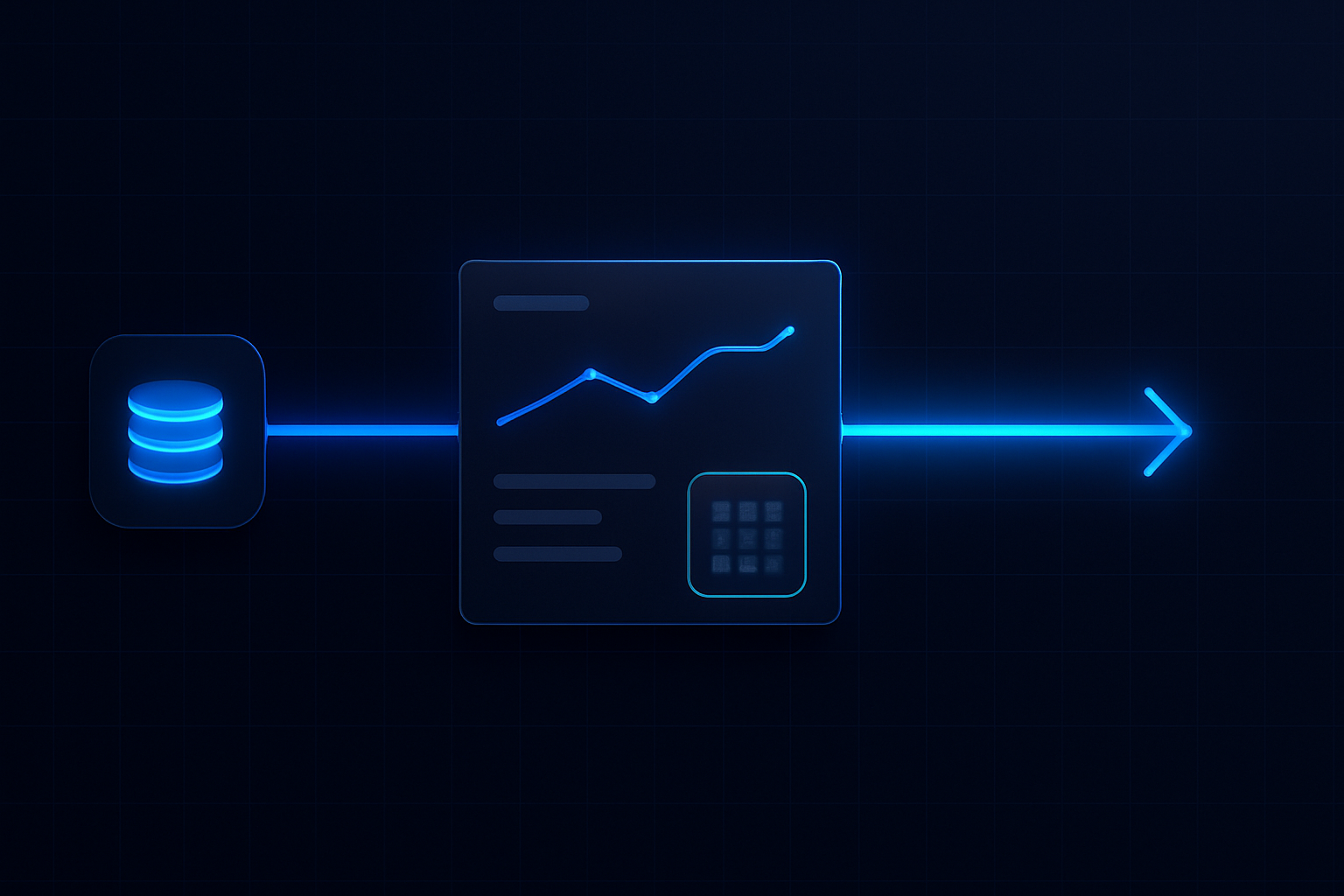
Find Lost Value in Plain Sight: See Revenue Leakage in the ReplyOS System
Read article