Practice Growth
Plan Growth by Capacity, Not Hype: Forecast Bookings with the ReplyOS Operating Model
Your slots are finite. Your enquiries are signals. The ReplyOS operating model turns those signals into a capacity‑aligned forecast and a booked outcome pipeline you can actually control.
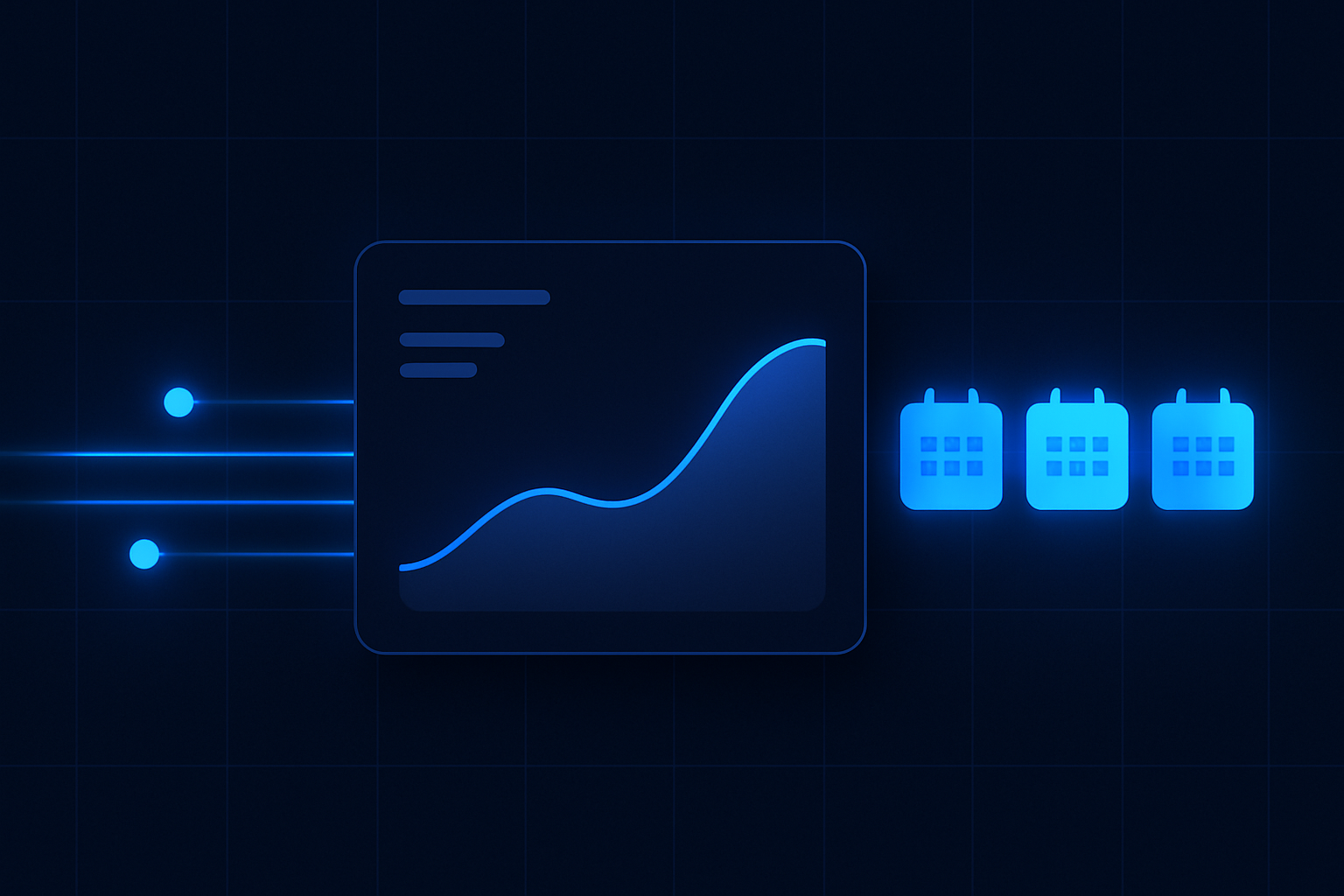
Most enquiries are wasted. You just don’t see it. Threads stall. Handoffs break. Calendars overfill in the wrong places while prime capacity sits open. That’s not a marketing problem. It’s a pipeline problem.
The ReplyOS system is designed to capture inbound enquiries across WhatsApp, SMS, web chat, and email. It helps teams detect intent, route ownership, and respond with clearer operational visibility. From first message to booking confirmation, you get practical pipeline control—not guesswork.
Use those signals for growth planning. Forecast by capacity, not hype. Build a view from enquiry to confirmed slot and spot leakage before it costs you revenue.
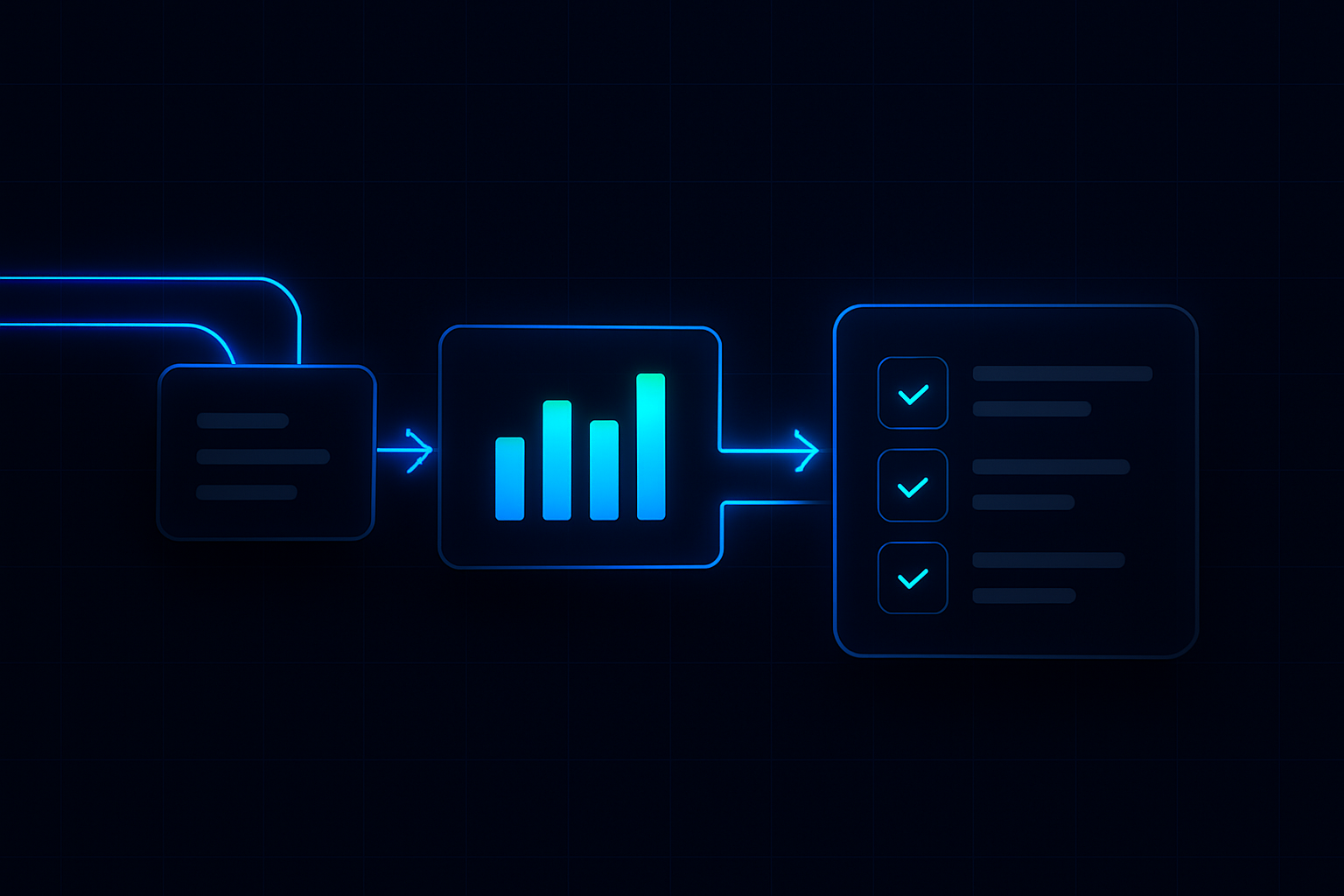
ReplyOS operating model in four moves
- 1
Detect
Capture WhatsApp, SMS, web chat, and email; identify intent and readiness.
- 2
Calculate
Use conversation status to estimate likelihood and timing versus capacity.
- 3
Guide
Route to the right owner and present the next best operational step for the thread.
- 4
Confirm
Secure booking confirmation and track downstream outcomes with clear handoff notes.
ReplyOS pipeline: capacity‑aligned forecasting from first message to confirmed slot
The ReplyOS pipeline gives you operational control across the enquiry journey.
- Capture: WhatsApp, SMS, web chat, and email land in one place.
- Intent: detect what the person wants and how ready they are.
- Routing: hand enquiries to the right owner with context.
- Progress: track status, nudges, and required confirmations.
- Outcome: see conversion to booked and downstream follow‑through.
Signals become visible. Processing becomes reliable. Conversion becomes repeatable. Revenue becomes forecastable.
Contrast: inbox chaos vs pipeline control
Inbox chaos hides revenue. Pipelines surface it. Here’s the difference.
Old way: channel silos, ad‑hoc replies, no shared status. Capacity gets planned on impressions and hope. Stalled threads look invisible because no one knows they exist.
ReplyOS operating model: single capture across WhatsApp, SMS, web chat, and email. Intent detection and clear routing. Structured conversation tracking to confirmation. Capacity and growth planning based on actual pipeline signals.
You feel the shift: signals → processing → conversion → revenue. The ReplyOS system replaces blind spots with operational control.
Capacity-aware forecast: turn enquiry volume into bookable demand
Capacity‑aligned growth planning starts with the actual questions people ask, not the clicks they make. The ReplyOS pipeline can be used to translate enquiry intent and status into a forward view of bookable demand.
Use structured statuses to see how many threads sit at pricing, pre‑assessment, insurance check, or date confirmation. That mix is your near‑term forecast, not a vanity metric.
This is practical. Front desk teams work the same list they use to book appointments. Leaders read the same signals to plan coverage and slot allocation. Forecast and execution stay in one operating model: the ReplyOS system.
The measurable shift when the pipeline is visible
ReplyOS helps teams improve response consistency across channels. You see where a thread is, who owns it, and what it needs next. That reduces avoidable leakage during handoffs.
Leaders get a clear view of conversion stages. If pricing approvals slow on Mondays, you can staff accordingly. If date confirmation lags after hours, you can adjust routing.
This is revenue infrastructure. Not a report. The ReplyOS pipeline supports enquiry‑to‑booking workflows that teams run every day.
Stage
Capture
Typical failure mode
Enquiries stuck in WhatsApp or web chat with no ticket
What to monitor
Uncaptured threads and delayed first response
ReplyOS signal
Unified inbox capture + first‑touch timestamps
Stage
Intent
Typical failure mode
Team can’t tell urgency vs research
What to monitor
Questions asked, readiness cues, objections
ReplyOS signal
Intent notes + structured status labels
Stage
Routing
Typical failure mode
Ownership unclear; slow handoff
What to monitor
Time-to-owner and bounce-backs
ReplyOS signal
Assigned owner + routing rules
Stage
Follow‑up
Typical failure mode
No nudge after sending pricing or prep info
What to monitor
Time since last outbound; stale threads
ReplyOS signal
Stalled status + follow‑up reminders
Stage
Confirmation
Typical failure mode
Verbals agreed but not confirmed in the system
What to monitor
Verbal vs booked mismatch
ReplyOS signal
Booked confirmation markers + downstream outcome tags
Ownership that speeds the pipeline
Separate capture, routing, and confirmation ownership across the team. Keep roles clear and clocks visible.
- Capture: an early shift triages all new inbound before the first clinical slot.
- Routing: hand threads to service lines with the next step pre‑set.
- Confirmation: a closer role locks in dates and gathers final details.
This division of labor increases reliability without adding layers. The ReplyOS system keeps context intact so each role can move faster without guessing.
Weekly stall review that protects the next two weeks
A practice reviews stalled threads weekly to improve follow‑up reliability. They group by status: “pricing sent,” “awaiting referral,” “date options shared.” A short huddle assigns owners and next actions.
Result over time: fewer surprises in the calendar. The team sees predictable movement from enquiry to confirmation. Capacity planning becomes steadier because the near‑term bookable pool is clear.
This is not a promise of results. It’s an operating cadence the ReplyOS pipeline supports with structured conversation tracking and status visibility.
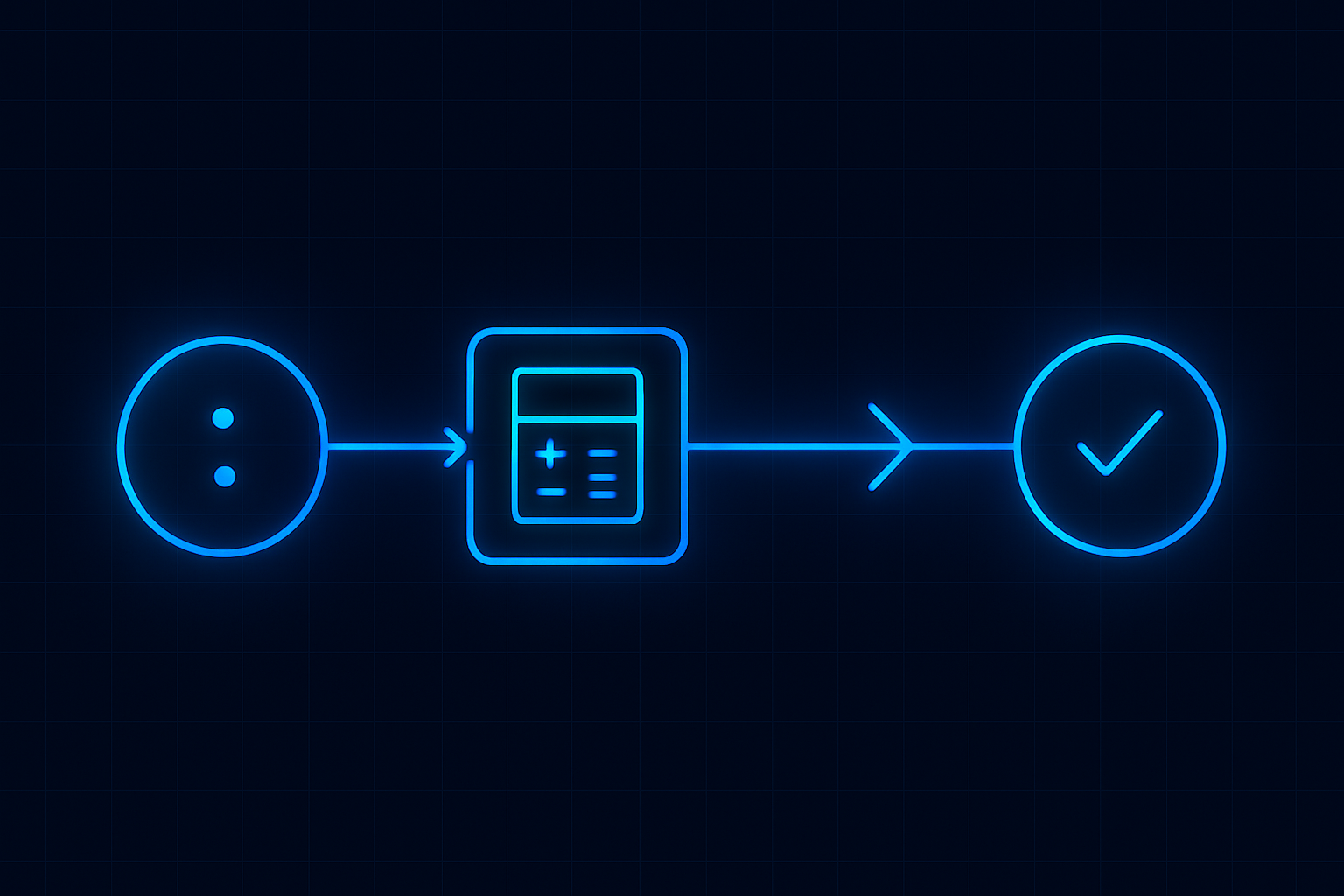
Plan bookings from the pipeline, not the ad account
Your inbox is not a forecast. Your pipeline is. The ReplyOS system gives teams visibility into conversion and pipeline stages so leakage points are easier to spot—and capacity planning gets real.
Draft‑first content that keeps teams aligned
Clarity scales when messaging is consistent. ReplyOS supports draft‑first content workflows for editorial governance where enabled. Teams can standardise outbound templates for pricing explanations, prep instructions, and policy notes before publishing.
That keeps patient‑facing language clear across WhatsApp, SMS, web chat, and email, which supports response consistency and reduces rework.
How does ReplyOS help with capacity‑aligned forecasting?
ReplyOS is designed to capture enquiries across WhatsApp, SMS, web chat, and email, then track structured statuses through to booking confirmation. Teams can read these signals to estimate near‑term bookable demand and plan coverage accordingly.
Does ReplyOS replace our front desk or booking team?
No. ReplyOS supports teams with structured guidance and visibility. It does not replace staff or make clinical or booking decisions without human oversight.
What about regulatory context like CQC or NHS guidance?
ReplyOS does not claim regulatory certification or endorsement. For public context, providers can review guidance from bodies such as NHS England or the Care Quality Commission. Use that context to shape processes; use ReplyOS to run them with visibility.
Can we keep our message quality consistent across channels?
Yes. Where enabled, draft‑first workflows support template creation and approval so pricing, prep, and policy messages stay consistent in WhatsApp, SMS, web chat, and email.
How do we prevent stalled threads?
Use the ReplyOS pipeline to set clear ownership, track next steps, and review stalled threads in a short weekly huddle. Visibility and routing help reduce avoidable drop‑off.
Next step
See ReplyOS in action
Explore how ReplyOS captures and converts patient enquiries across every inbound channel.
View platform overview
Continue reading