Your inbox is not a pipeline. Messages arrive. Revenue doesn’t. The difference is routing. The ReplyOS system is designed to capture inbound enquiries, detect intent, route clearly, and track each conversation toward a booked outcome with stage visibility that shows where leakage occurs. This is enquiry intelligence for conversion-led growth operations — run as day-to-day revenue infrastructure, not side projects.
ReplyOS operating model
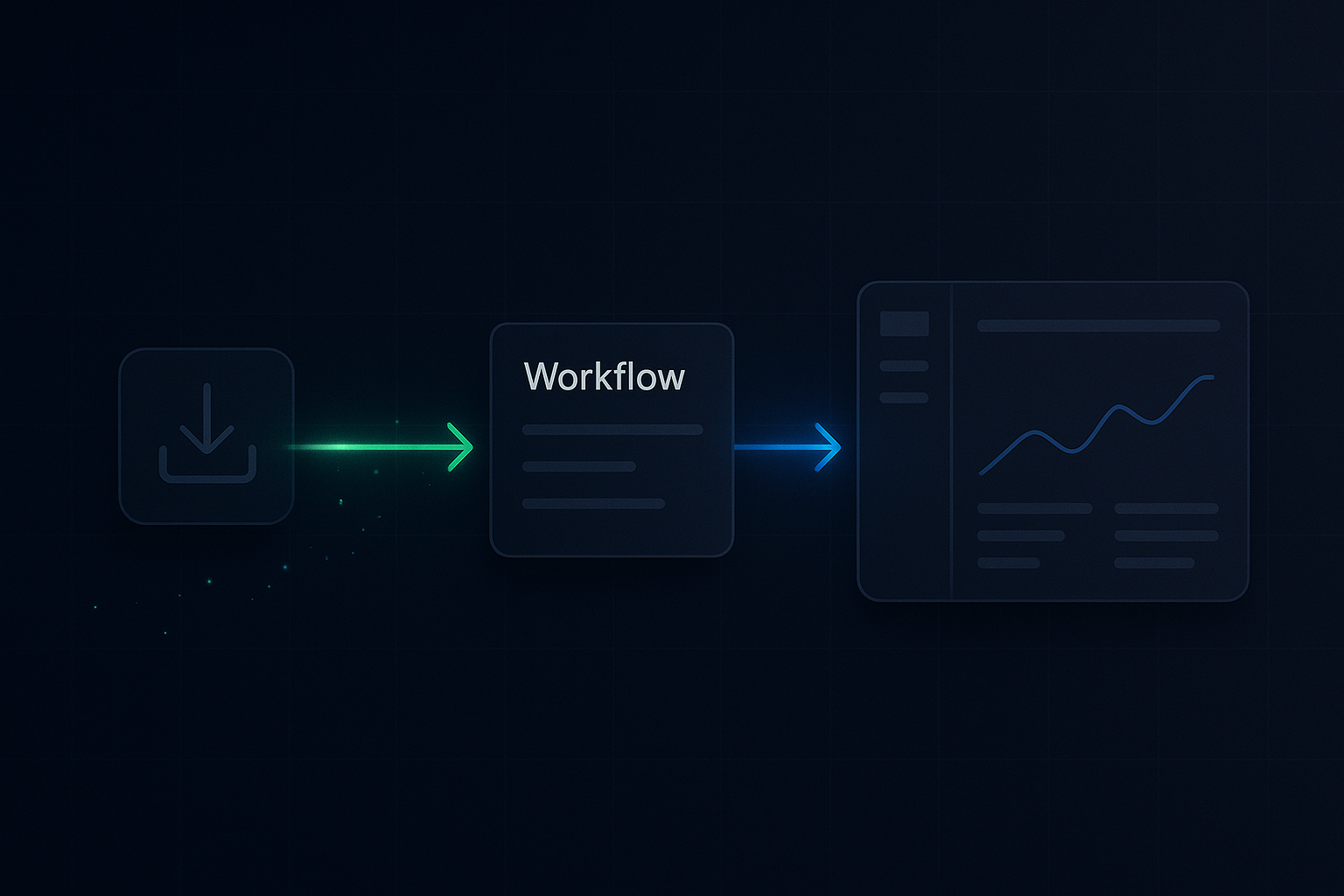
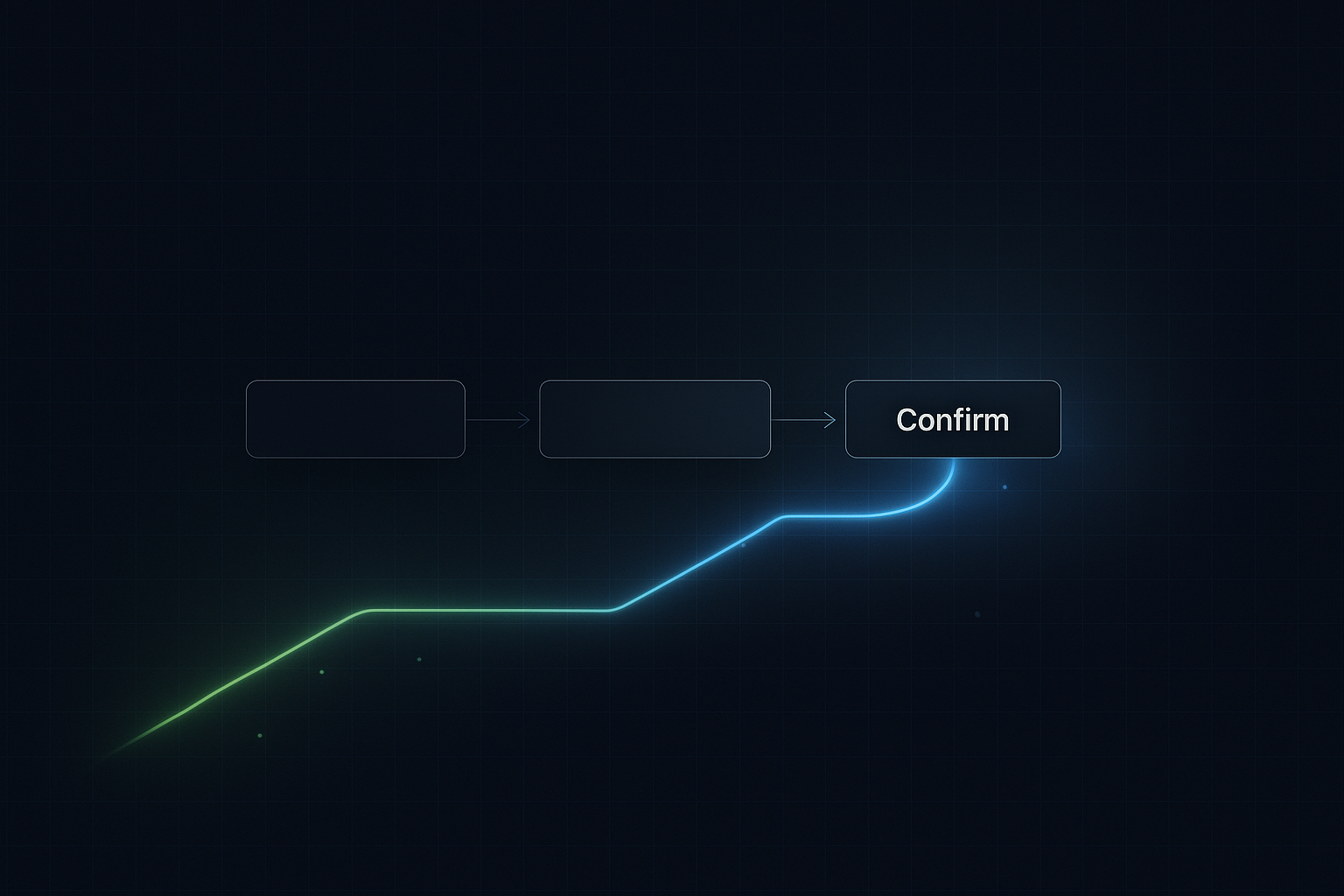
Detect → Calculate → Guide → Confirm
Each stage is a system hand-off in the ReplyOS pipeline, from first signal to confirmed booking action.
Detect
Capture enquiries across WhatsApp, SMS, web chat, and email; identify booking intent, urgency, and required pathway.
Calculate
Set status and pipeline stage so risk and next actions are explicit; surface leakage points for review.
Guide
Support operators with structured prompts and handoff context; keep ownership clear through routing.
Confirm
Move to booking confirmation and record downstream outcomes for full-funnel visibility.
Detect → Calculate → Guide → Confirm
ReplyOS pipeline: from signals to confirmed bookings
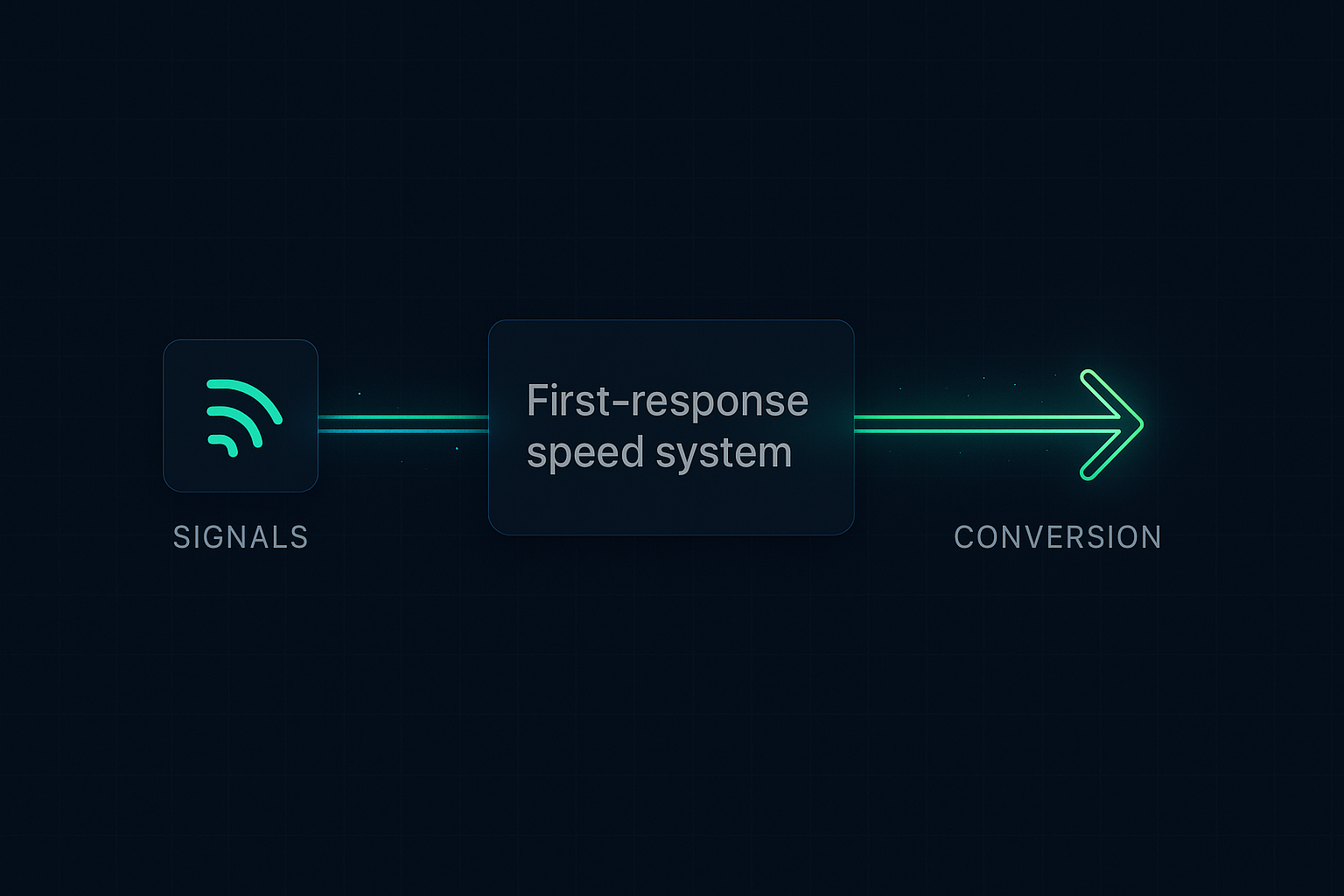
The ReplyOS pipeline is designed to capture inbound enquiries across WhatsApp, SMS, web chat, and email, detect intent, and route conversations with stage visibility. Teams can track progress toward booking confirmation and downstream outcomes, so leakage points are easier to spot and act on.
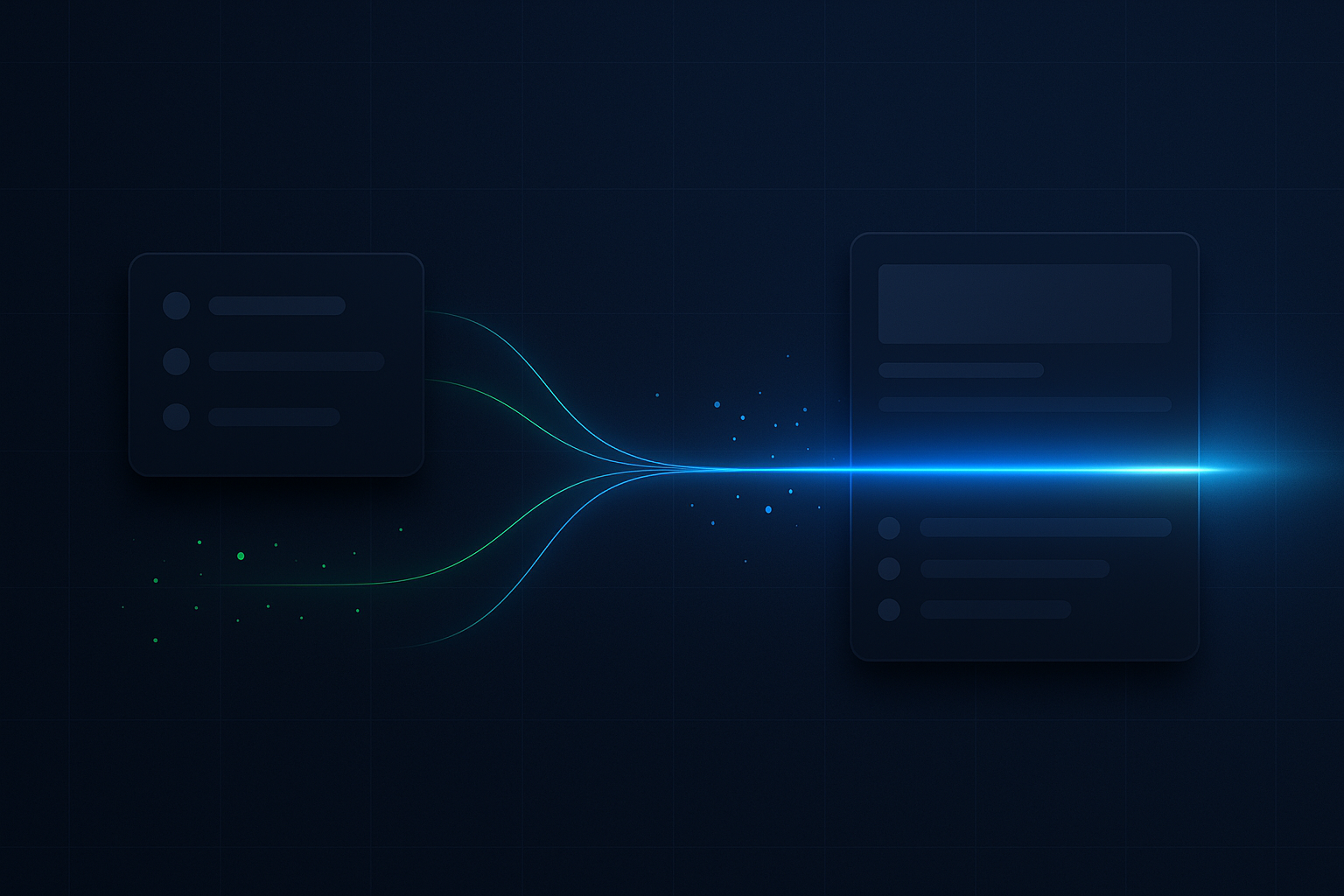
Signals flow left to right. ReplyOS turns early interest into routed work. Operators see clear statuses, not vague message piles. Each stage supports a specific operational action: classify intent, assign, progress, confirm.
This is revenue infrastructure for high‑intent demand and booking workflows. It’s built for day‑to‑day operations where consistency, triage, and handoff reliability matter more than volume theatrics.
The contrast that matters: inboxes vs pipeline control
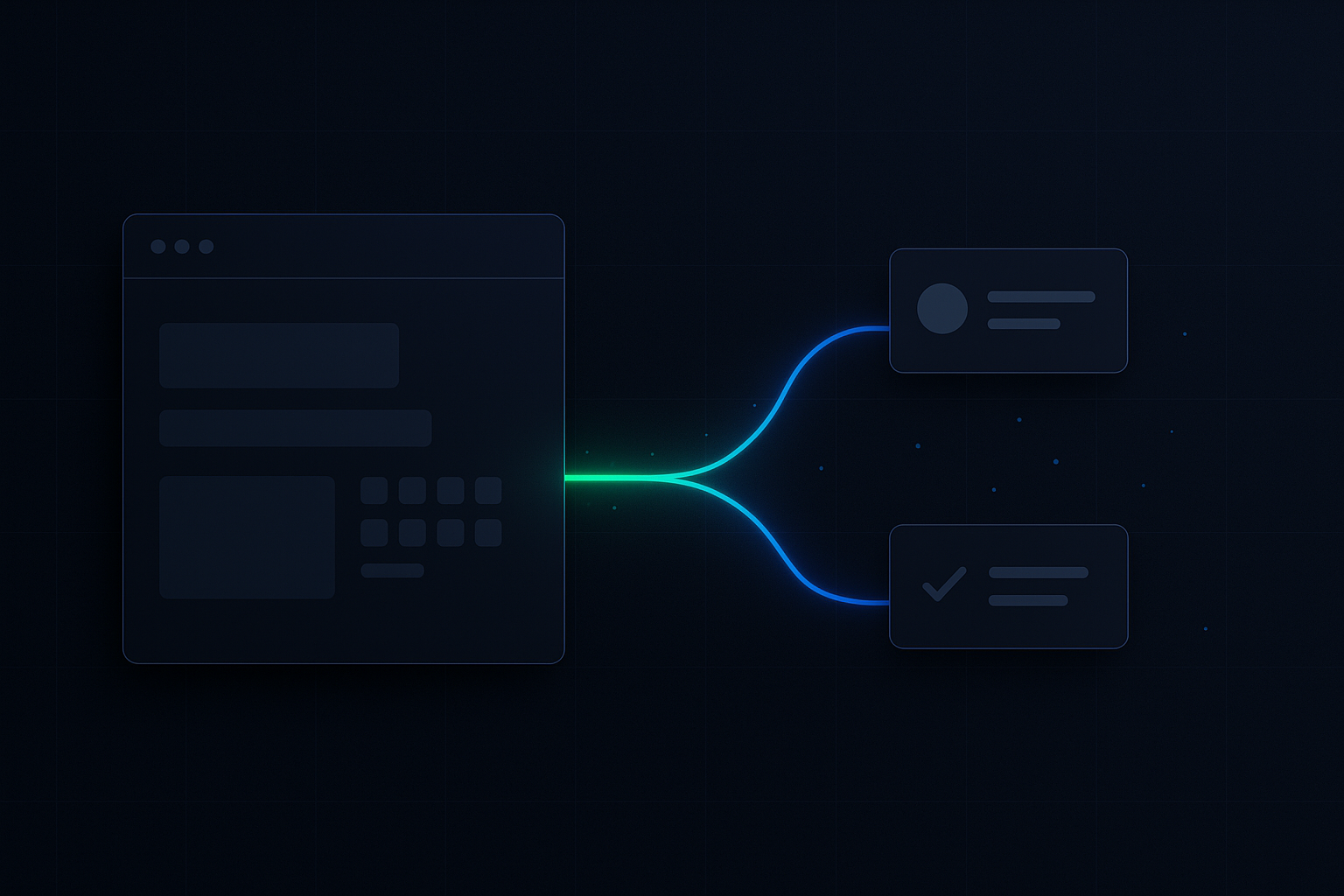
Inbox chaos vs pipeline control is the difference between visibility and guesswork.
Inboxes: everything looks urgent, nothing is accountable. Messages spread across WhatsApp, SMS, web chat, and email. Intent is unclear. Handoffs stall. Teams respond, but revenue still leaks.
ReplyOS operating model: enquiries become structured units with status, stage, and owner. Intent is detected, routing is explicit, and progress to confirmation is visible. The job shifts from “reply fast” to “move the pipeline.” That’s operational control, not a race to zero minutes.
Make handoffs boring and reliable
Routing fails when ownership blurs. The ReplyOS pipeline supports operational handoffs for front desk teams so that capture, triage, and confirmation are owned explicitly.
Illustrative operating model: separate capture (channel intake) from routing (intent-to-owner mapping) and confirmation (final scheduling). Each role has a narrow, repeatable responsibility. Teams use structured conversation tracking so anyone can see status at a glance.
ReplyOS helps reduce missed or stalled enquiries through visibility and clear routing. The result is steadier progression of intent, not just faster first replies.
Stage
New enquiry
Signal observed
Channel message with potential booking intent
Operational risk if missed
Thread sits unassigned; intent cools; duplicate follow-ups later
Routing focus
Detect intent; assign owner; set initial status
Stage
Info required
Signal observed
Patient awaits pricing/availability/eligibility
Operational risk if missed
Back-and-forth delays; unclear next step
Routing focus
Guide operator with standard responses; propose slots
Stage
Provisional offer
Signal observed
Slots proposed or draft booking shared
Operational risk if missed
Offer expires; no confirmation; silent dropout
Routing focus
Set confirmation deadline; nudge with structured follow-up
Stage
Ready to confirm
Signal observed
Patient accepts slot or pathway
Operational risk if missed
Final step stalls in handoff; double-book risk
Routing focus
Route to confirmation owner; lock outcome; record status
Stage
Confirmed
Signal observed
Booking secured and communicated
Operational risk if missed
No downstream outcome recorded; blind spot persists
Routing focus
Track downstream outcome for full-funnel learning
Draft-first content that keeps operators moving
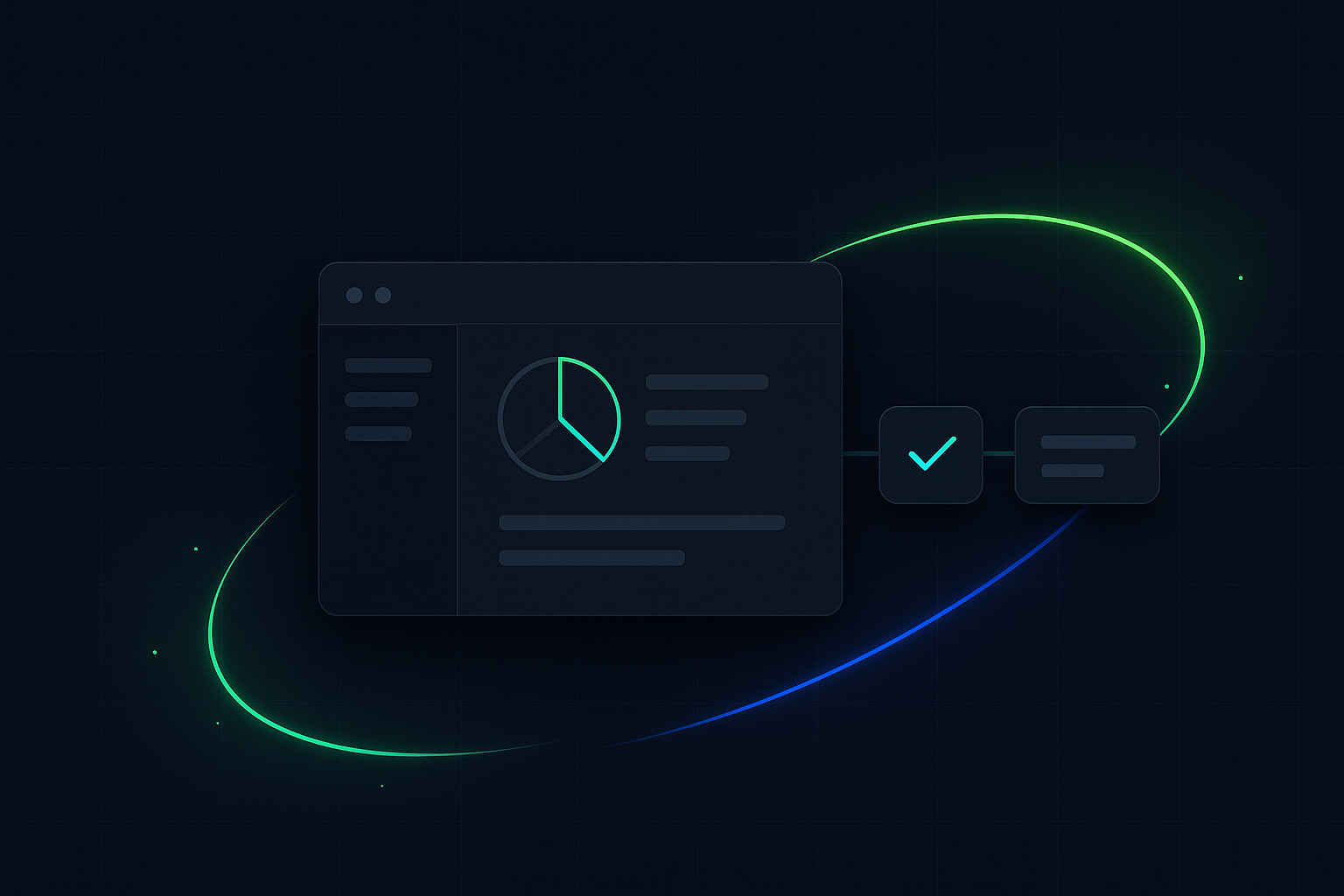
Where content control matters, ReplyOS supports draft-first publishing and approval workflows. Teams can prepare message templates or sensitive replies in draft, seek sign-off, then publish. The goal is safer, faster responses without improvisation.
This helps maintain consistent language across WhatsApp, SMS, web chat, and email, while keeping operators focused on routing and confirmation — not rewriting the same answer three times a day.
From message handling to pipeline movement
Modelled example: a practice runs morning triage before the first clinical slot. New enquiries across WhatsApp, SMS, web chat, and email are detected for intent and routed inside the ReplyOS system. A clear owner is set per thread. Provisional offers go out for high-intent cases.
By Friday afternoon, the team reviews stalled threads in the pipeline. They focus on stages with leakage flags: “Info required” and “Ready to confirm.” Prompts guide the next nudge or route to a confirmation owner. Over several weeks, leaders see fewer dead-end threads and steadier conversion in the ReplyOS pipeline view. No promises on percentages — just better operational reliability that teams can feel.
Estimated scenario: standardising this triage and review rhythm can reduce avoidable enquiry drop-off by tightening handoffs and making stage risk visible. The gains depend on operator discipline and context.
Your revenue isn’t lost in marketing. It’s lost in handoffs.
Most enquiries are wasted. You just don’t see it. ReplyOS turns signals into routed work so teams can detect, calculate, guide, and confirm — with the pipeline in plain sight.
Which channels does ReplyOS capture?
ReplyOS is designed to capture inbound enquiries across WhatsApp, SMS, web chat, and email, then route them into a single pipeline for visibility.
Does ReplyOS automate booking decisions?
No. ReplyOS supports teams with structured guidance and visibility. Human operators make booking and clinical decisions.
Can we see conversion stages and leakage points?
Yes. ReplyOS gives teams visibility into conversion and pipeline stages so leakage points are easier to spot and address.
How does ReplyOS help front desk teams?
ReplyOS supports operational handoffs with clear ownership, structured statuses, and guided next actions, so fewer threads stall.
Do you guarantee revenue uplift?
No. Outcomes depend on operator execution and context. ReplyOS is revenue infrastructure that helps teams reduce missed or stalled enquiries and improve response consistency.
Can we use approvals for sensitive replies?
Yes. Where enabled, ReplyOS supports draft-first content workflows for editorial governance and approval before publishing.
Next step
See ReplyOS in action
Explore how ReplyOS captures and converts patient enquiries across every inbound channel.
View platform overview